What Is Satya Yuga?
Explore the divine age of truth and righteousness.
SANATAN KNOWLEDGE
The Eternal Wisdom of Sanatan Dharma

Explore the scriptures, culture, philosophy and spiritual heritage of Hinduism.
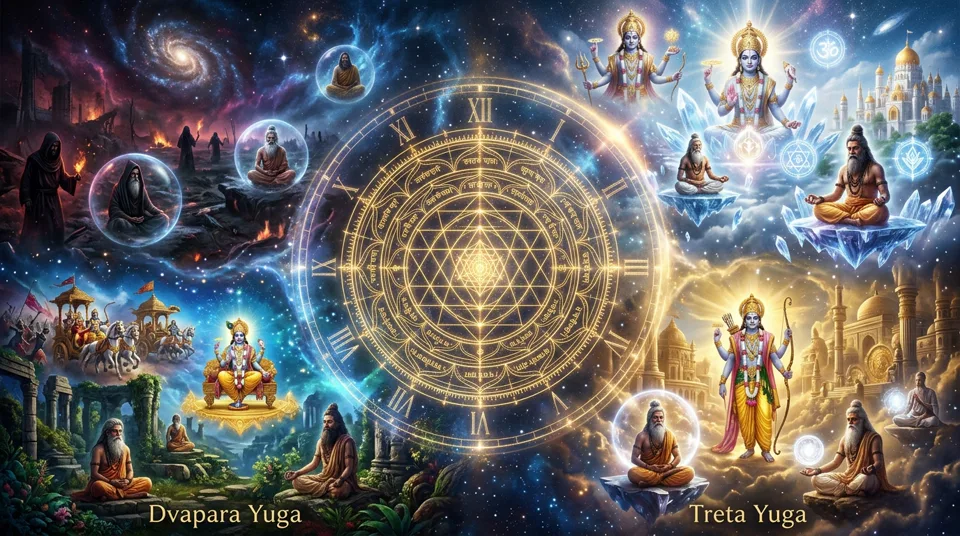
Satya, Treta, Dvapara, Kali
Read Complete Overview →
Vedas, Upanishads, Puranas
Read Complete Overview →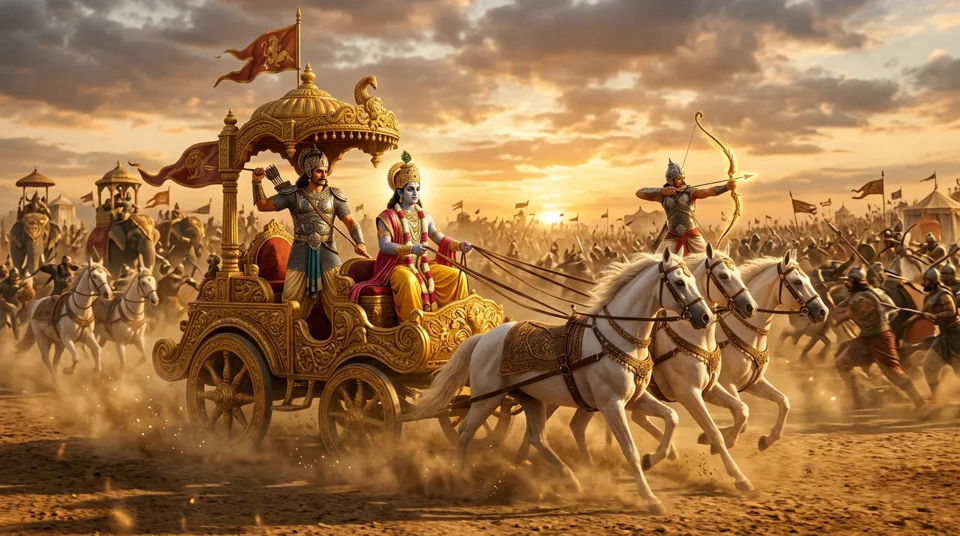
Ramayana, Mahabharata
Read Complete Overview →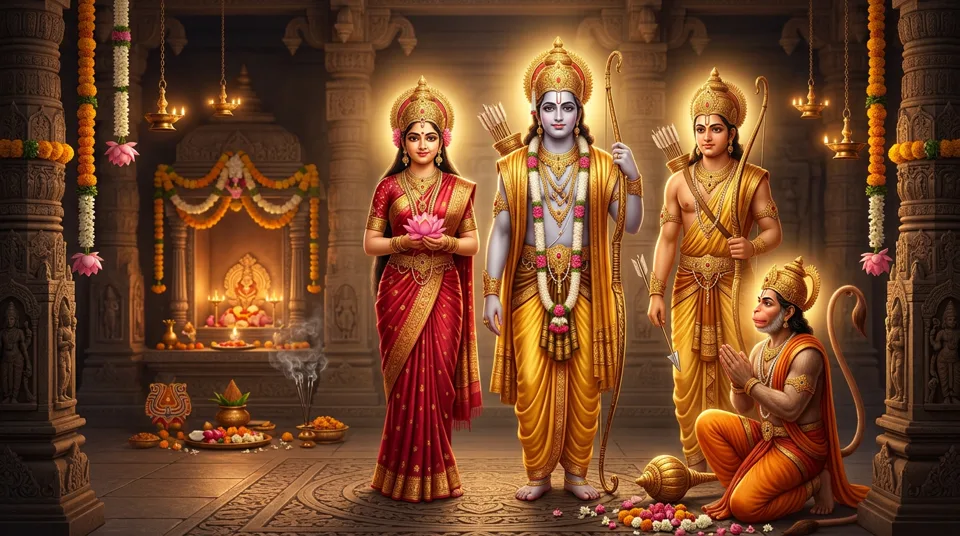
Hindu deities and their stories
Read Complete Overview →
Karma, Dharma, Moksha
Read Complete Overview →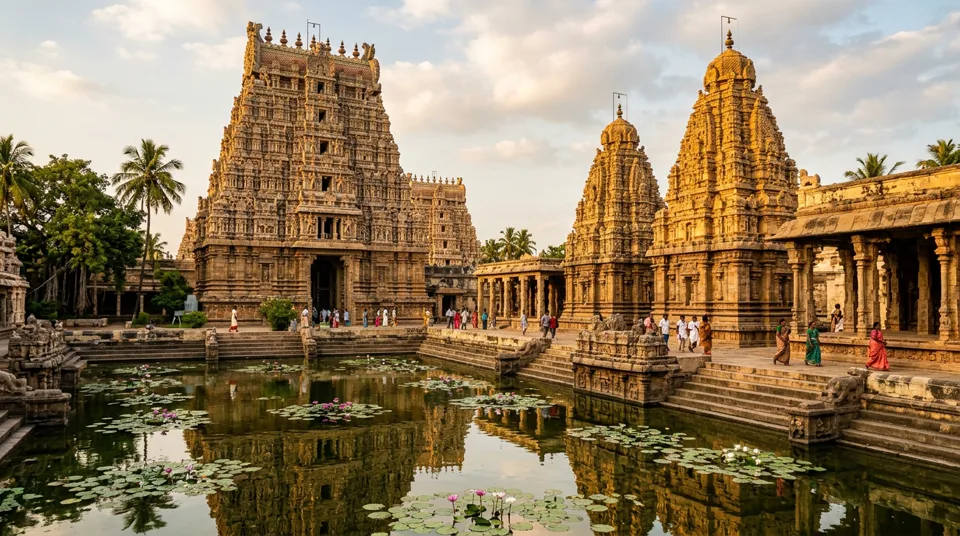
Civilization and Culture
Read Complete Overview →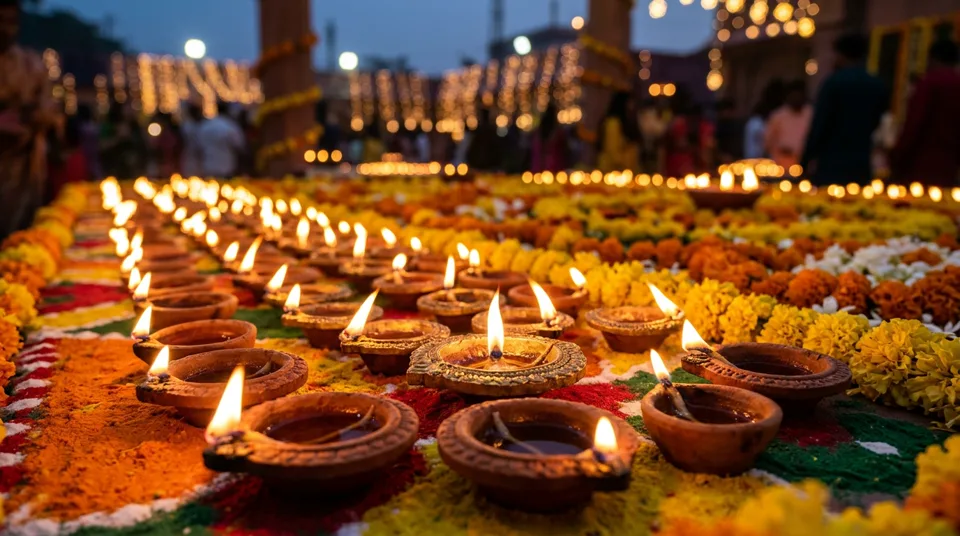
Puja and Celebrations
Read Complete Overview →
Questions, Answers & Wisdom
Read Complete Overview →Explore the divine age of truth and righteousness.
Timeless wisdom for a better life.
Puja and Celebrations
Festivals in Sanatan Dharma are attuned to celestial movements, changing seasons, and cosmic anniversaries. Every celebration is an opportunity to revitalize spiritual aspirations and cultivate generosity.
The five-day festival of earthen lamps, auspicious fortune, familial harmony, and the return of Lord Rama
Celebrating the triumphant return of Lord Rama, Mata Sita, and Lakshmana after 14 years of exile and the defeat of Ravana, welcomed by millions of ghee lamps.
Invoking Goddess Lakshmi (prosperity and spiritual grace) alongside Lord Ganesha (wisdom) into homes swept clean of clutter and negativity.
From Dhanteras (honoring Lord Dhanvantari and health) through Naraka Chaturdashi, Diwali, Govardhan Puja, to Bhai Dooj honoring sibling bonds.
Observed as Kali Puja in Bengal, the slaying of Narakasura in South India, and the commercial New Year (Bestu Varas) in Western India.
Deepavali (literally "a continuous row of clay lamps", from "Deepa" meaning lamp and "Avali" meaning row) is among the most universally celebrated and radiant festivals in Sanatan Dharma. Occurring on the dark new moon night (Amavasya) of the Hindu lunar month of Kartika (October–November), Diwali celebrates the universal victory of spiritual light (Jyoti) over darkness (Tamas), knowledge (Jnana) over ignorance (Avidya), and righteous virtue (Dharma) over malevolence (Adharma). It brings together spiritual contemplation, household cleanliness, charity, and joyful community bonding.
Rather than a single day, Diwali is celebrated over five evolutionary days, each carrying deep spiritual and familial significance:
While unified in its core message of divine light, Diwali is expressed through colorful regional traditions:
The simple earthen lamp carries profound yogic and philosophical lessons:
The timeless invocation recited during the lighting of the Diwali lamp: