What Is Satya Yuga?
Explore the divine age of truth and righteousness.
SANATAN KNOWLEDGE
The Eternal Wisdom of Sanatan Dharma

Explore the scriptures, culture, philosophy and spiritual heritage of Hinduism.
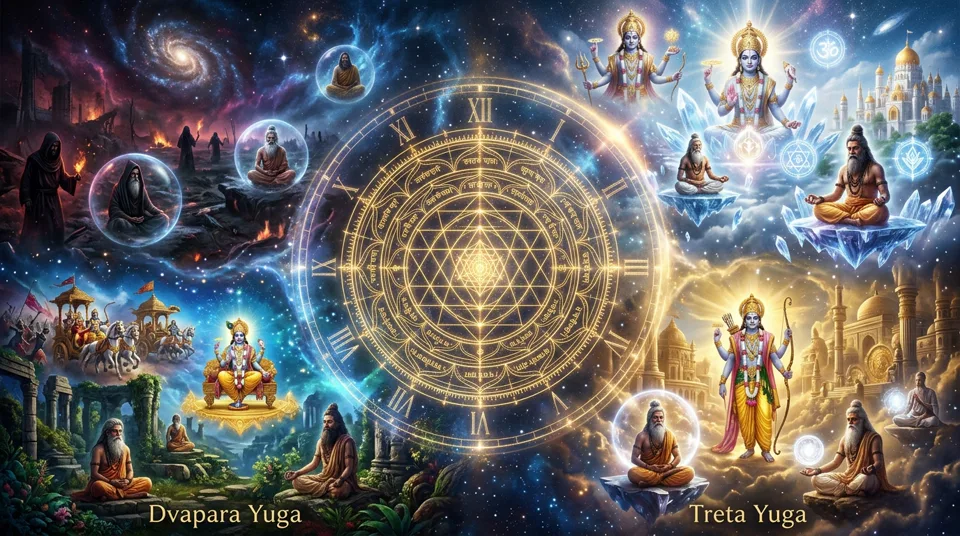
Satya, Treta, Dvapara, Kali
Read Complete Overview →
Vedas, Upanishads, Puranas
Read Complete Overview →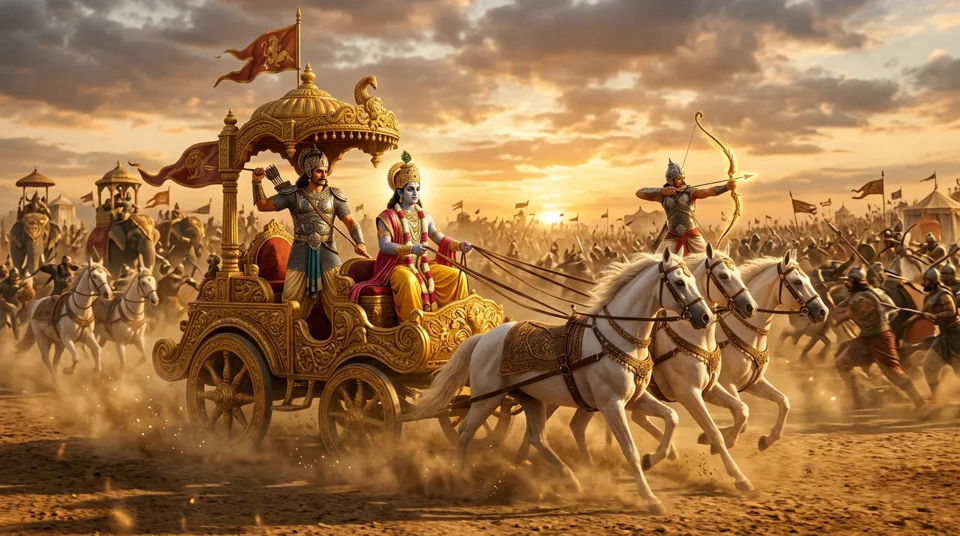
Ramayana, Mahabharata
Read Complete Overview →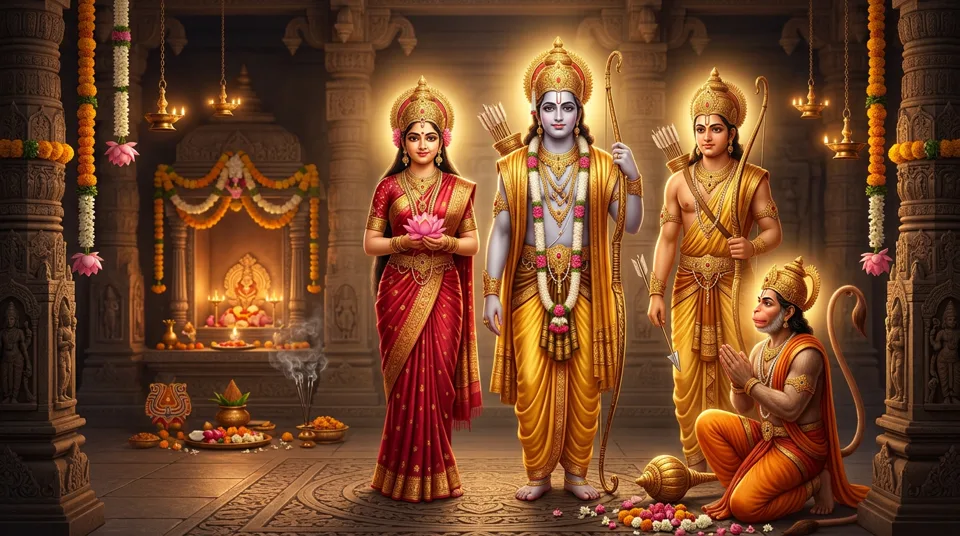
Hindu deities and their stories
Read Complete Overview →
Karma, Dharma, Moksha
Read Complete Overview →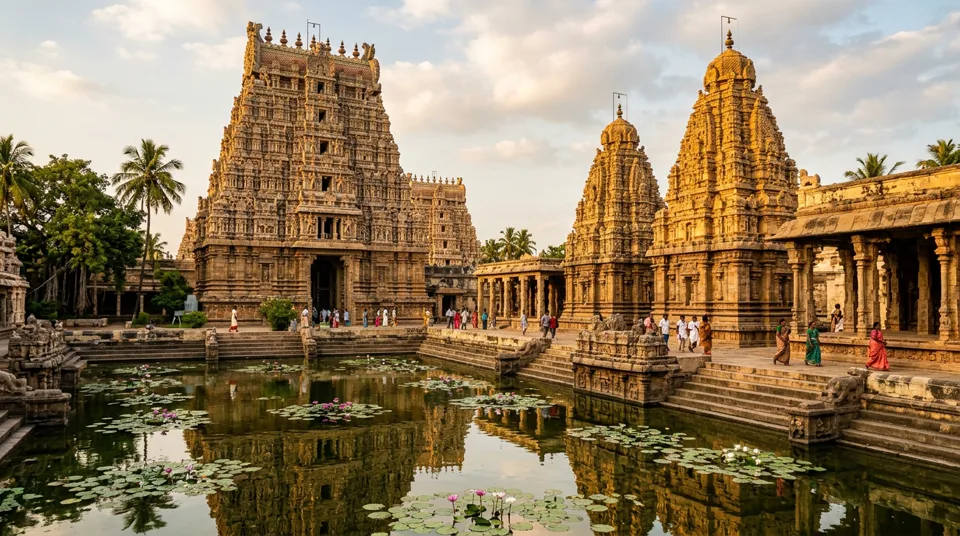
Civilization and Culture
Read Complete Overview →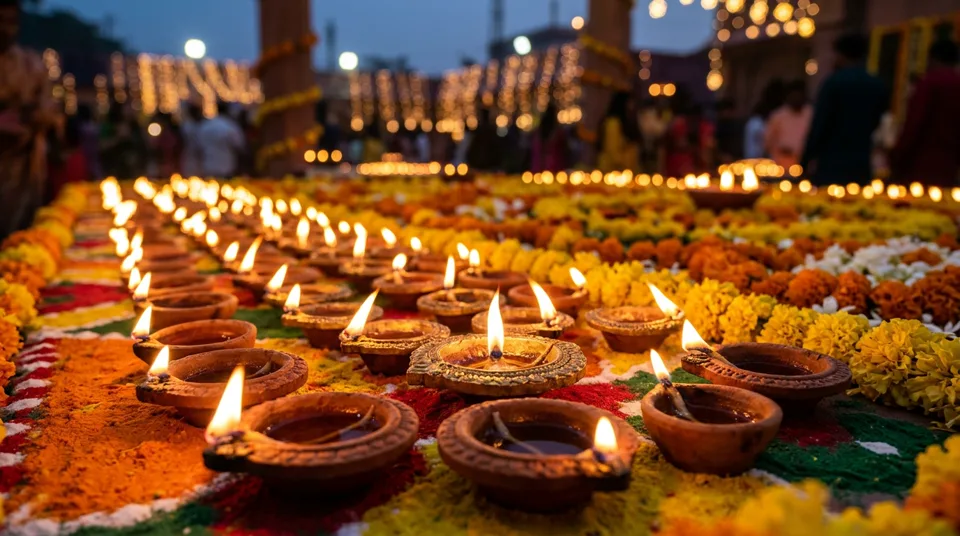
Puja and Celebrations
Read Complete Overview →
Questions, Answers & Wisdom
Read Complete Overview →Explore the divine age of truth and righteousness.
Timeless wisdom for a better life.
Karma, Dharma, Moksha
Sanatan Dharma encompasses six orthodox schools of philosophy (Shad-Darshanas) unified by their pursuit of ultimate truth, liberation from suffering (Moksha), and understanding the fundamental nature of consciousness (Atman and Brahman).
The balanced quadripartite architecture of righteous, prosperous, joyful, and liberated living
The moral law, civic duty, integrity, and social conscience that must guide all human intentions and transactions.
Generating wealth, livelihoods, and societal abundance ethically to support family, community, and righteous institutions.
Fulfilling desires, artistic passions, marital affection, and creative expression without harm or destructive obsession.
The supreme goal (Parama Purushartha): ultimate liberation from the cycle of rebirth and realization of the immortal Self.
The word "Purushartha" is composed of "Purusha" (the conscious human being) and "Artha" (purpose, aim, or objective). Sanatan Dharma avoids world-negating asceticism on one extreme and hedonistic consumerism on the other. It articulates four legitimate, interrelated pursuits that every human being should harmonize: Dharma (ethical duty and cosmic order), Artha (honest material security and resources), Kama (noble emotional fulfillment, love, and aesthetic joy), and Moksha (spiritual liberation from mortal bondage).
Dharma is derived from the Sanskrit root "Dhr", meaning "to sustain or uphold". It is the ethical compass of human existence:
Far from romanticizing poverty, Hindu scriptures celebrate the creation of wealth, provided it is anchored in righteousness:
Kama celebrates the human capacity for appreciation, beauty, affection, and creative passion:
Moksha is the crown jewel of the Purusharthas—the ultimate transcendence of limitation and suffering:
The timeless maxim of the Mahabharata declaring the harmonious order of human pursuits: