What Is Satya Yuga?
Explore the divine age of truth and righteousness.
SANATAN KNOWLEDGE
The Eternal Wisdom of Sanatan Dharma
Explore the scriptures, culture, philosophy and spiritual heritage of Hinduism.
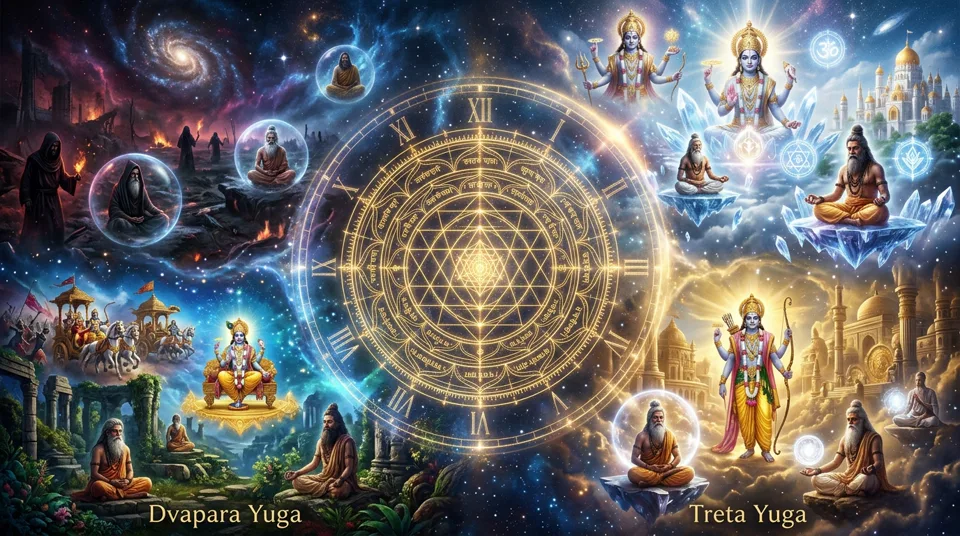
Satya, Treta, Dvapara, Kali
Read Complete Overview →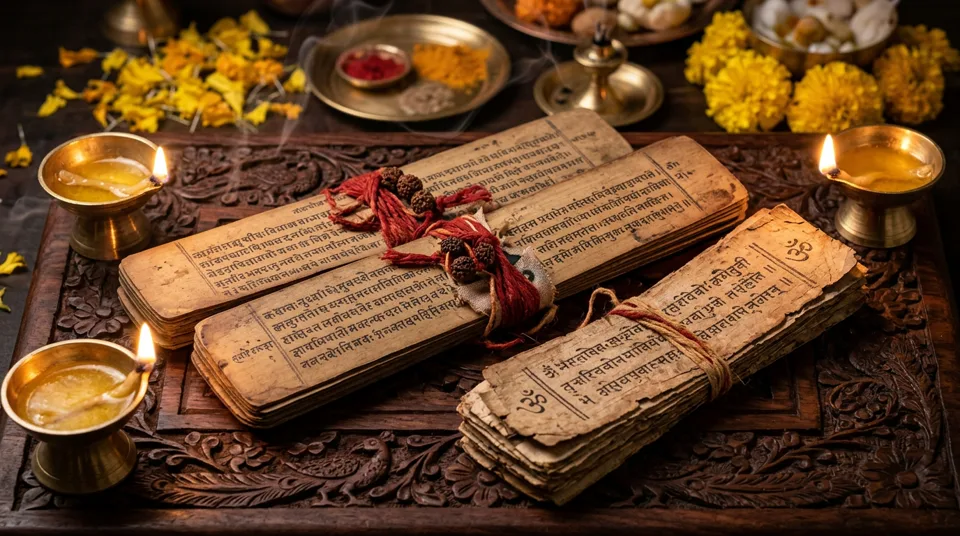
Vedas, Upanishads, Puranas
Read Complete Overview →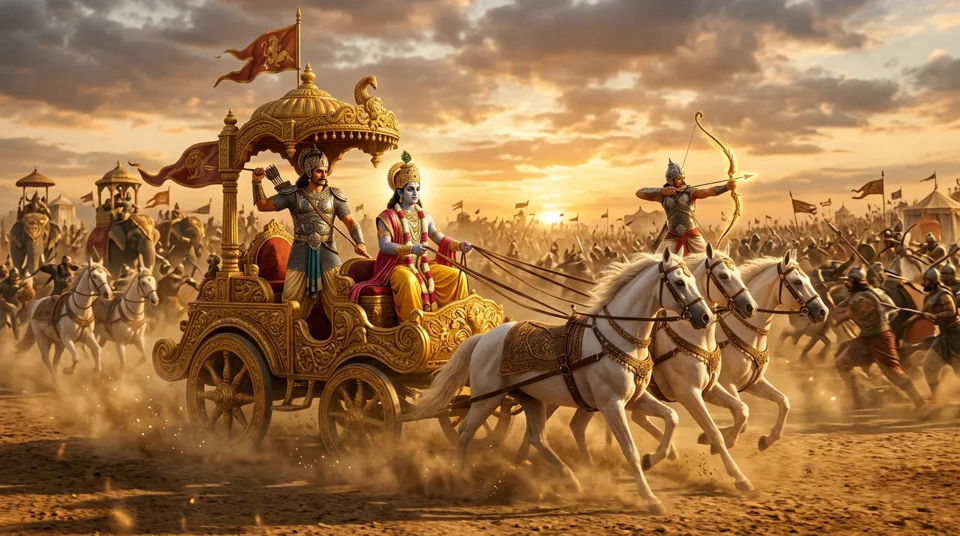
Ramayana, Mahabharata
Read Complete Overview →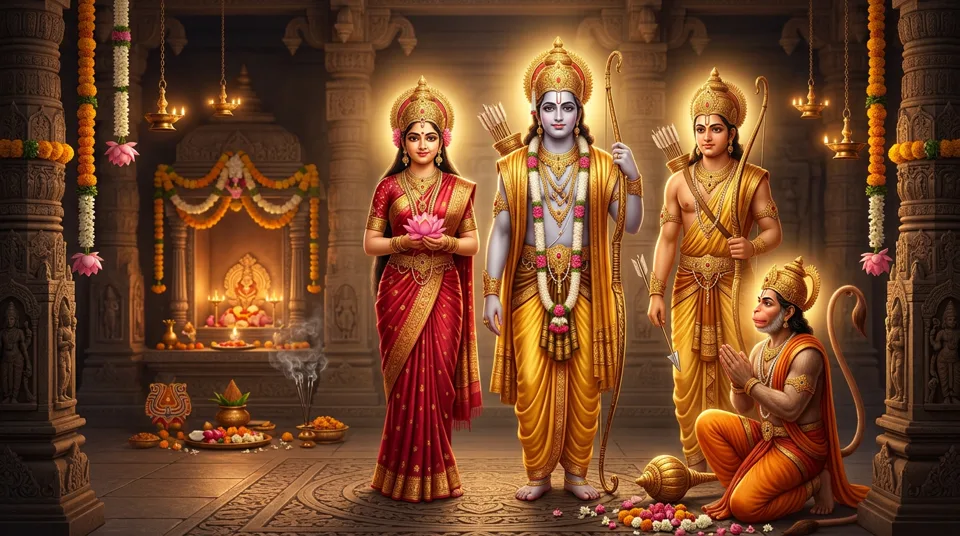
Hindu deities and their stories
Read Complete Overview →
Karma, Dharma, Moksha
Read Complete Overview →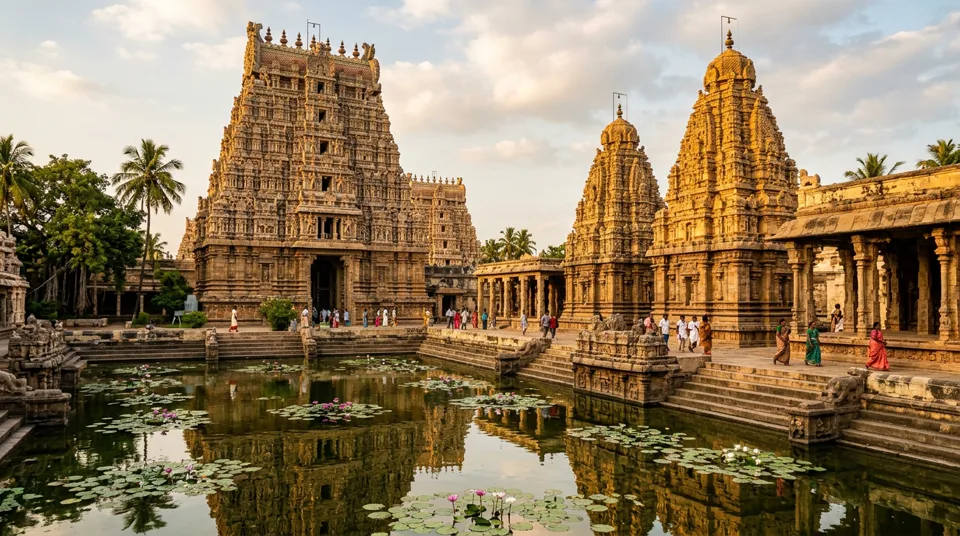
Civilization and Culture
Read Complete Overview →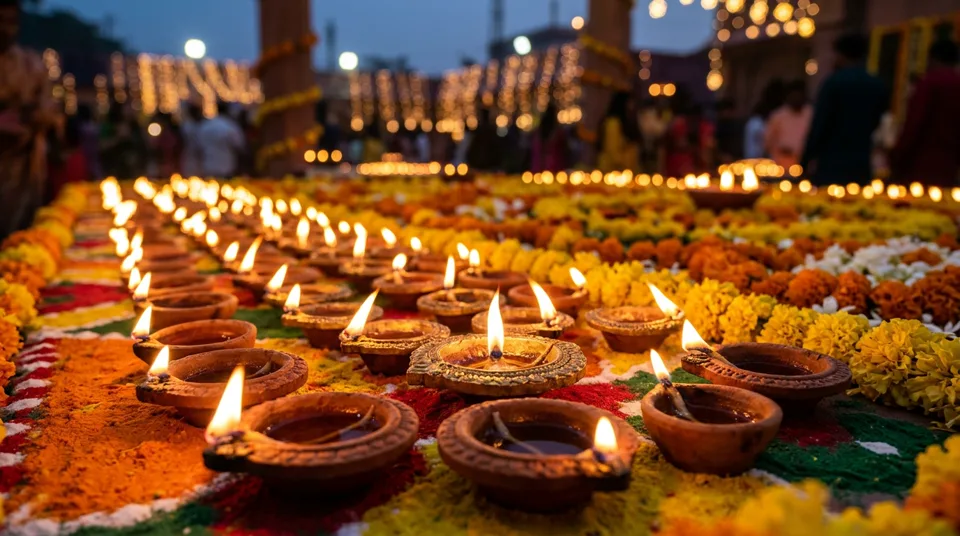
Puja and Celebrations
Read Complete Overview →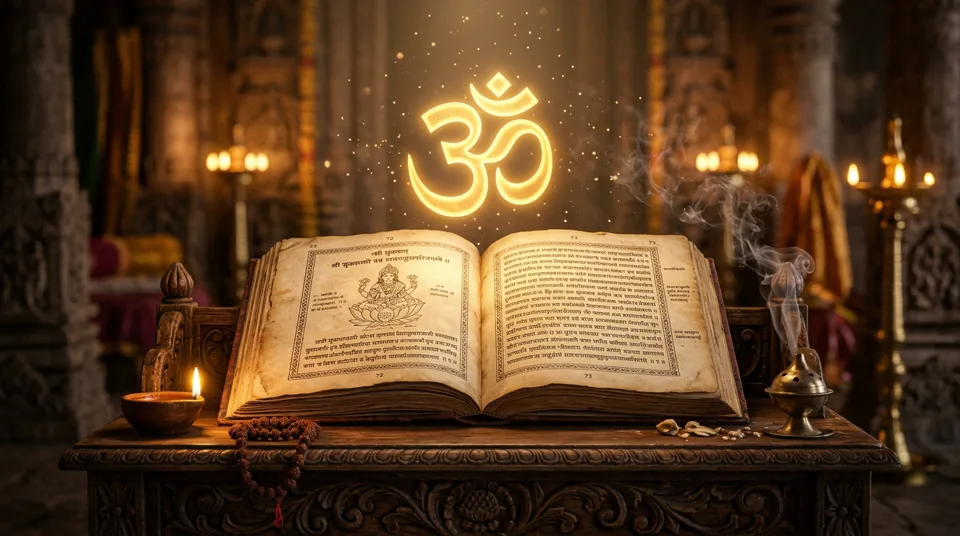
Questions, Answers & Wisdom
Read Complete Overview →Explore the divine age of truth and righteousness.
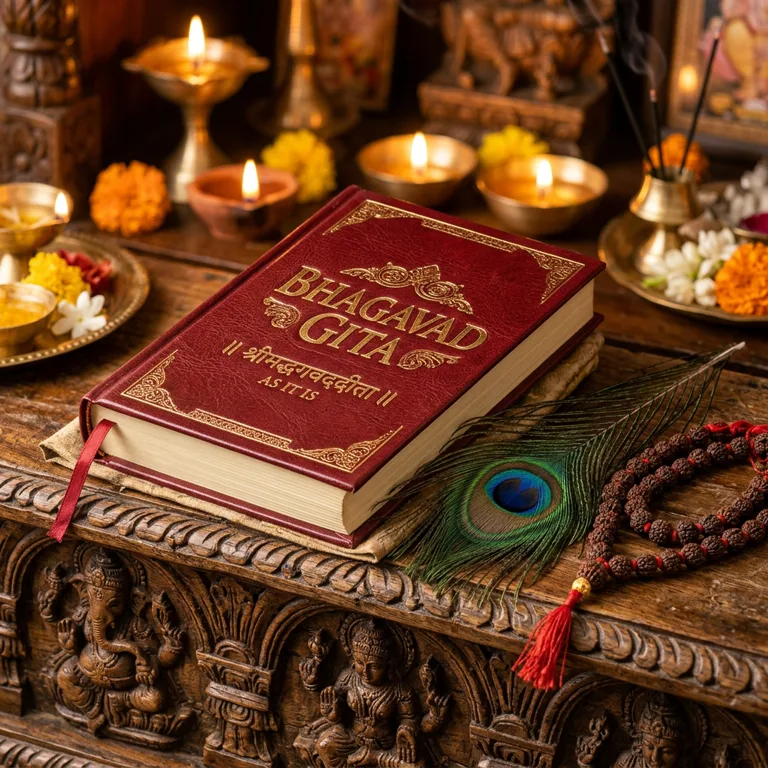
Timeless wisdom for a better life.
Questions, Answers & Wisdom
Spiritual knowledge (Jnana) in Sanatan Dharma is meant to be lived daily. From morning chanting to contemplation, it transforms ordinary existence into continuous yoga.
The supreme prayer for intellectual illumination combined with the yogic science of breath control
Revealed to Brahmarshi Vishvamitra in the Gayatri meter (24 sacred syllables), invocating the divine solar power of Savita.
A prayer not for worldly possessions, but for the collective spiritual illumination of our discerning faculty (Buddhi).
Prana (vital energy) and Ayama (expansion/regulation). The bridge between physical posture (Asana) and meditation (Dhyana).
Breath and mind are inseparable; when the breath slows into calm rhythm, mental agitation dissolves into serene awareness.
The Gayatri Mantra is revered as the mother of all Vedic mantras (Veda Mata), embodying the supreme prayer for the awakening of human intellect and spiritual intuition. Paired with Pranayama—the conscious regulation and expansion of the vital life force (Prana)—this ancient discipline purifies the nervous system, harmonizes the subtle nadis, quietens the wandering mind, and creates the ideal psycho-physiological state for meditation and self-realization.
The Gayatri Mantra appears in the third Mandala of the Rigveda (3.62.10) and is repeated throughout the Yajurveda and Sama Veda. It is composed of the sacred Pranava (Om), the Maha Vyahritis (cosmic realms), and the 24 syllables of the Gayatri meter.
Pranayama is the fourth limb of Classical Ashtanga Yoga described by Sage Patanjali (Yoga Sutras 2.49: "Tasmin sati shvasa-prashvasayor gati-vichchhedah pranayamah"). It is not merely deep breathing; it is the conscious mastery and expansion of Prana (cosmic vitality) by regulating the rhythm of inhalation (Puraka), retention (Kumbhaka), and exhalation (Rechaka).
Pranayama must be approached with mindfulness, patience, and non-violence (Ahimsa) toward the physical body. Classical texts emphasize that just as a lion or elephant is tamed gradually, breath must be regulated with gentle discipline.
In the Hatha Yoga Pradipika (2.2), it is stated: "Chale vate chalam chittam nishchale nishchalam bhavet" — when the breath wavers, the mind wavers; when the breath is calm, the mind becomes motionless. The breath is the master remote control for human consciousness.